Many people hear about physical therapy after an injury, surgery, or ongoing pain issue, but they may not fully understand what it involves. Some assume it is only for athletes, while others think it starts only after a major medical event.
In reality, this form of care can support a wide range of people who want to move better, feel stronger, and return to daily routines with more confidence. Because the field covers so many concerns, patients often start with the same basic questions.
What does this type of care actually help with?
One of the most common questions is what this service is designed to address. Physical therapy can help with pain, weakness, stiffness, poor balance, limited mobility, and recovery after injury or surgery. It may also be useful for people dealing with chronic discomfort, joint problems, posture issues, or movement limitations that make normal routines harder than they should be.
The goal is usually not limited to reducing symptoms. A treatment plan often focuses on improving function, which means helping a person walk, bend, lift, reach, climb stairs, or complete daily tasks more comfortably and safely. Someone with knee pain may want to return to exercise, while another person may simply want to get through the workday without constant discomfort. The plan should reflect those real-life goals.
Who usually needs it?
Another frequent question is whether this kind of care is only for certain age groups or conditions. The answer is no. Children, adults, and older adults may all benefit, depending on what is affecting their movement or strength. Some people begin care after sports injuries, car accidents, falls, or orthopedic procedures. Others seek help for ongoing problems that have gradually worsened over time.
A person does not need to wait until movement becomes severely limited before seeking help. In many cases, early intervention can make recovery smoother and prevent small issues from becoming more disruptive. Physical therapy is often recommended when pain starts interfering with routine activities, when balance becomes less reliable, or when recovery seems to stall without structured guidance.
What happens during the first appointment?
The first visit usually includes an evaluation rather than a full routine of exercises from the moment the appointment begins. The provider may ask when the problem started, what movements make it worse, what activities are difficult, and what goals matter most. That conversation helps shape the treatment plan and gives important context to the physical assessment.
The therapist may evaluate strength, flexibility, balance, walking pattern, posture, joint motion, and pain response during specific movements. Depending on the issue, the session may also include a few early exercises, basic education, or recommendations for activity changes at home. The first appointment is often about understanding the problem clearly so treatment can be targeted rather than generic.
What does a normal session look like?
People often want to know whether treatment is mostly exercise, hands-on care, or education. In many cases, it is a combination. Sessions may include guided stretches, strengthening work, mobility drills, balance tasks, posture training, and movement practice based on the person’s condition. Some plans also include manual techniques, which may involve the therapist using hands-on methods to help improve motion or reduce stiffness.
A normal visit is usually structured around progress. Early sessions may focus on pain reduction, gentle movement, or restoring basic range of motion. Later sessions may build toward endurance, coordination, and return to more demanding activities. Physical therapy is rarely about doing random exercises. The point is to choose movements and strategies that support a clear functional goal.
How long does it take to see results?
This is one of the most common concerns, and the answer depends on the condition, its severity, and the person’s consistency with the plan. Some people notice changes fairly quickly, especially when the problem is mild or recent. Others need more time, particularly after surgery, long-term pain, or complex injuries that affect multiple areas of the body.
Progress is not always dramatic from one visit to the next. Sometimes the earliest signs of improvement are small, such as less stiffness in the morning, easier walking, or better tolerance for sitting, standing, or reaching. Over time, those smaller gains can build into more meaningful improvements in comfort and function. A good provider should explain what kind of timeline is realistic instead of suggesting instant results.
Will exercises at home matter?
Yes, and this is an important point. Appointments are only one part of the process. Home exercises, movement adjustments, and activity guidance often play a major role in recovery. A person who follows the plan consistently may get more out of treatment than someone who relies only on time spent in the clinic.
That does not mean a patient needs to spend hours every day on complicated routines. In many cases, a small number of focused exercises done correctly can support steady progress. Physical therapy tends to work best when clinic visits and home habits support each other rather than functioning as separate efforts.
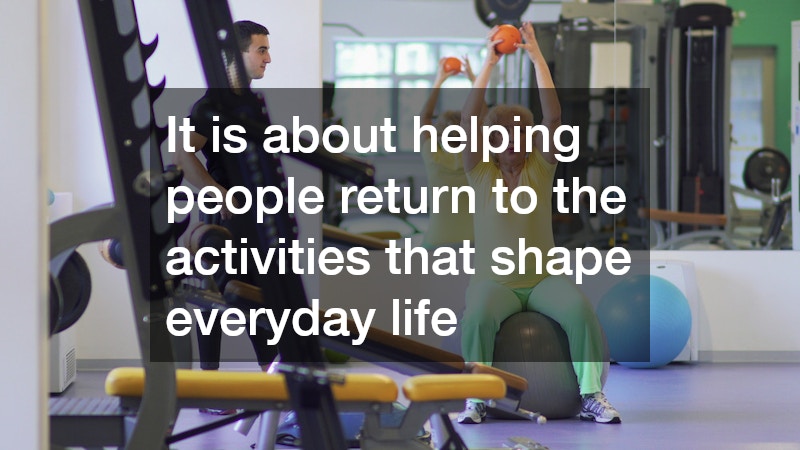
For many people, physical therapy becomes easier to understand once it is viewed as practical, goal-driven care. It is not only about injury recovery. It is about improving movement, supporting function, and helping people return to the activities that shape everyday life.